
What to expect during a full repiping in a Brooklyn brownstone

A “Full Repiping” is the most invasive, expensive, and ultimately rewarding technical event in the life of a Brooklyn brownstone. It is the process of surgically removing every original 19th-century galvanized iron and lead (referenced in EPA Lead Safety Standards) pipe and replacing them with a modern, high-volume copper or PEX-A system. For many owners, […]
Why Park Slope’s tree-lined streets impact underground plumbing
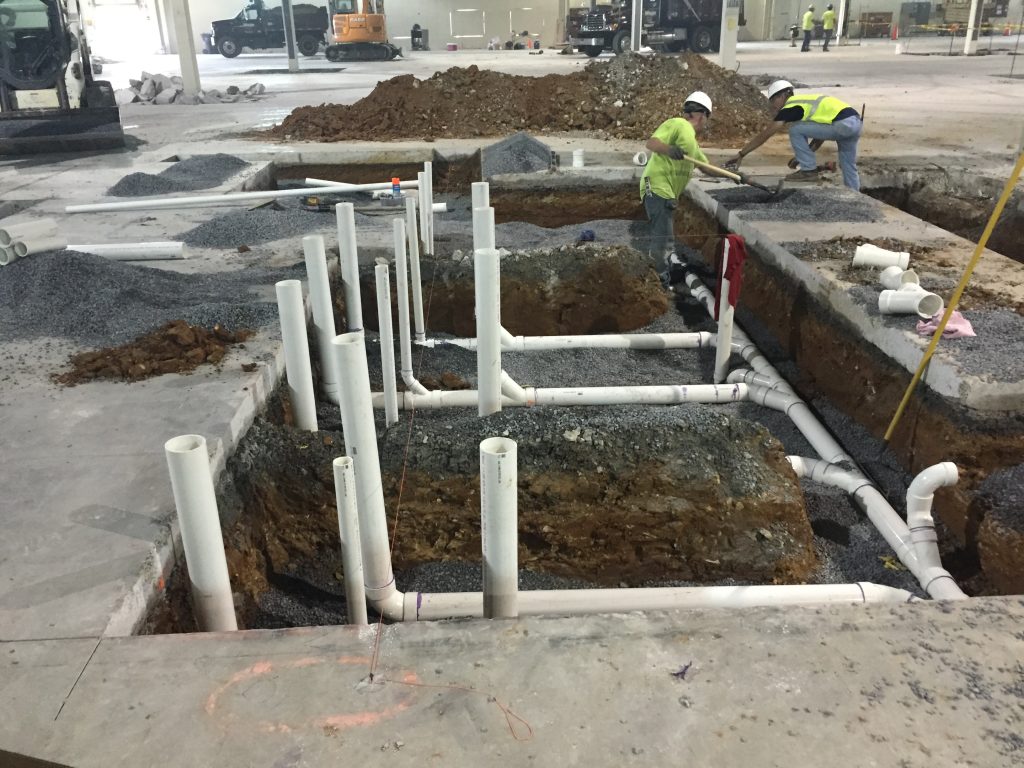
Park Slope is famous for its lush, green canopy—a feature that provides shade, beauty, and massive property value to its iconic brownstone blocks. However, to a subterranean infrastructure specialist, these majestic Plane trees, Maples, and Lindens are the primary “Biological Enemy” of the brownstone’s utility grid. The same roots that create the neighborhood’s iconic aesthetic […]
How internal riser placement affects water distribution in old buildings
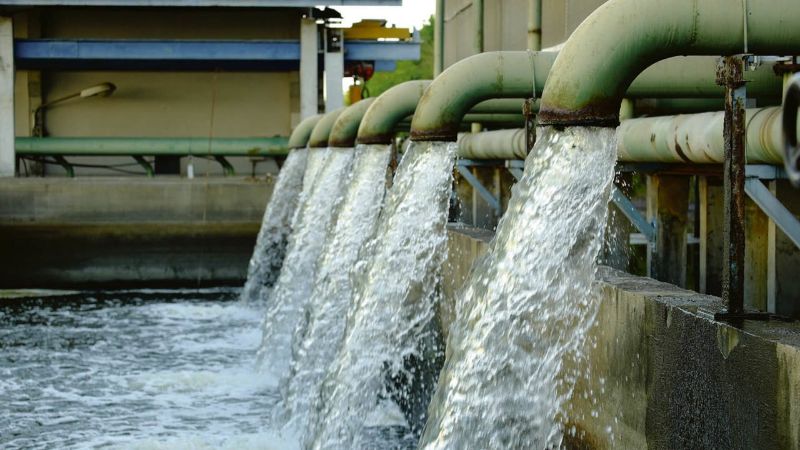
In the world of Brooklyn brownstones, the “Internal Riser” is the vertical highway of your utilities. Its “Placement”—where it was carved into the structure in the late 19th century—is the single greatest predictor of your home’s performance. Because these buildings were built before standardized plumbing codes became the norm, different architects had different philosophies on […]
The truth about renovating bathrooms in 100-year-old homes
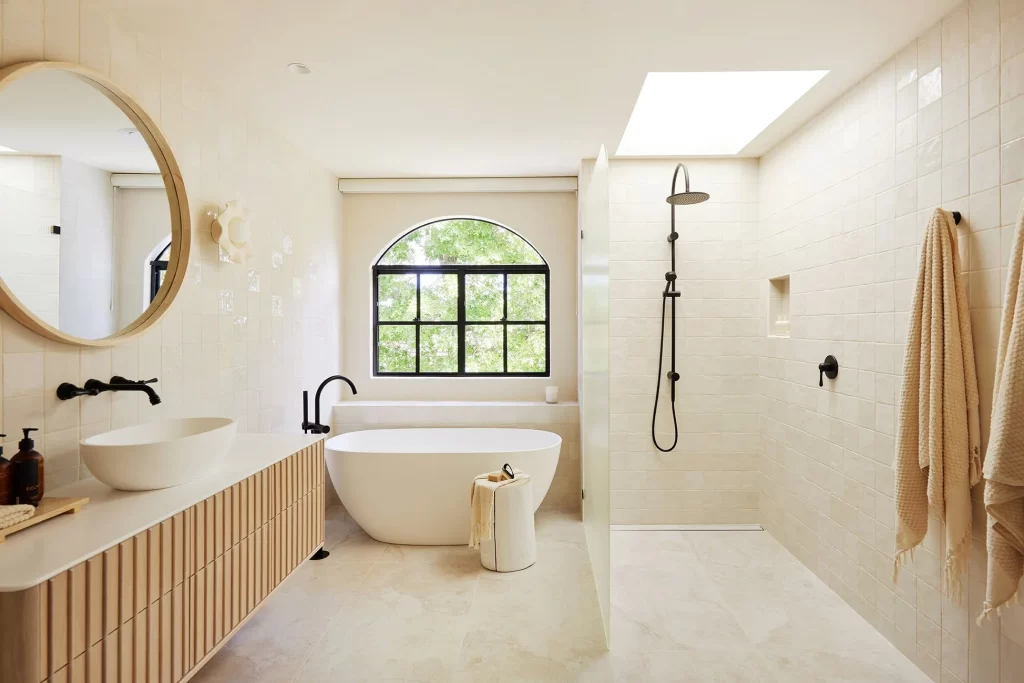
A bathroom renovation in a Brooklyn brownstone is the ultimate balancing act between “Old World Charm” and “New World Performance.” While the glossy design magazines show beautiful freestanding tubs and minimalist showers, the technical reality behind the tiles is often a nightmare of 19th-century engineering. The “Truth” about renovating these spaces is that the plumbing […]
Why some Cobble Hill brownstones have stable pressure and others don’t
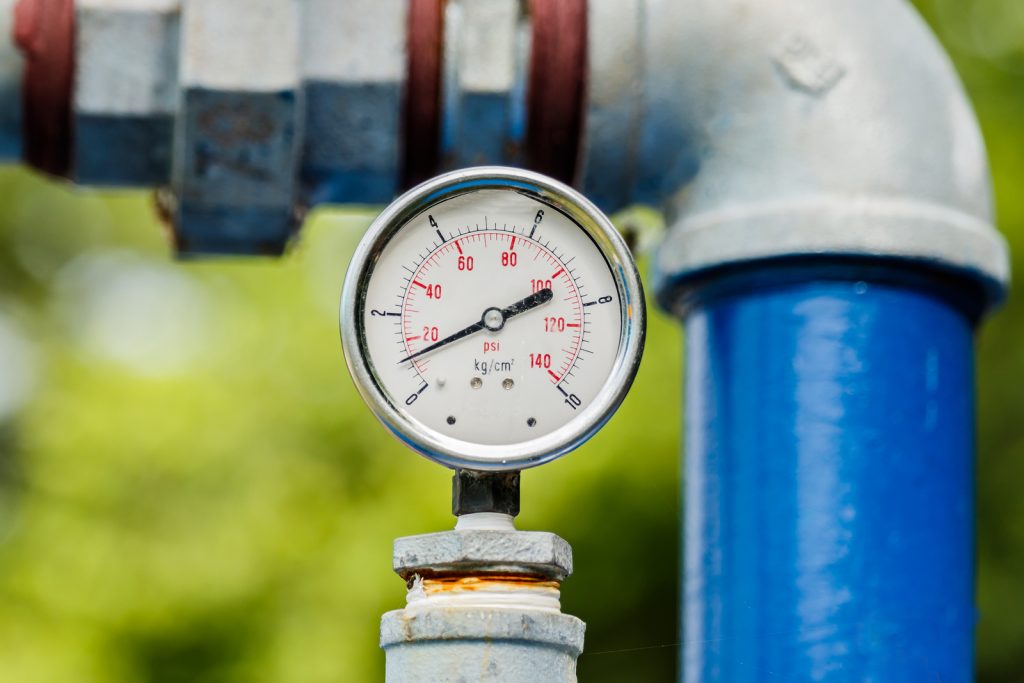
Cobble Hill is one of Brooklyn’s most desirable neighborhoods, but its “Pressure Profile” is notoriously inconsistent. Two identical homes on the same block of Clinton Street can have vastly different water experiences: one enjoys a high-pressure master shower, while the other struggles to run a single kitchen tap. This isn’t just “Old House Mystery”; it […]
What Prospect Heights brownstones reveal about staged renovations
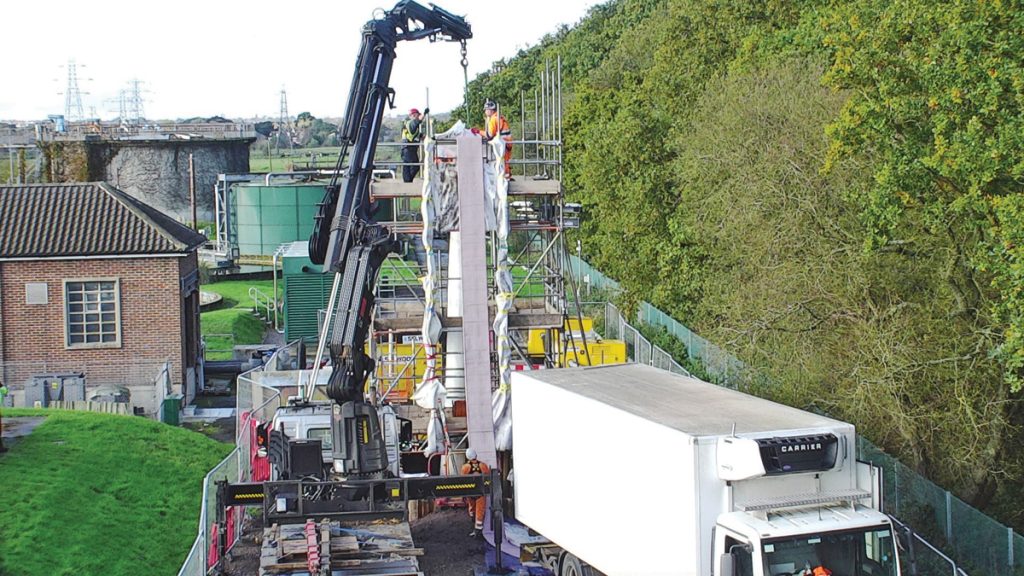
Prospect Heights is a neighborhood defined by its “Staged Evolution.” Unlike some areas that saw mass gut-renovations in a single decade, Prospect Heights brownstones have often been updated in “Waves”—a kitchen in the 80s, a bathroom in the 2000s, and a new boiler in 2015. This “Staged Renovation” history creates a unique technical challenge for […]
How to assess water main condition before buying a Brooklyn brownstone

When you are in the process of buying a Brooklyn brownstone, the inspection phase is often focused on the things you can see: the marble mantels, the intricate plasterwork, and the state of the roof. However, the most critical—and most expensive—component of the house is one you cannot see: the “Water Main Service Line.” This […]
Why Crown Heights experiences more discoloration after city repairs
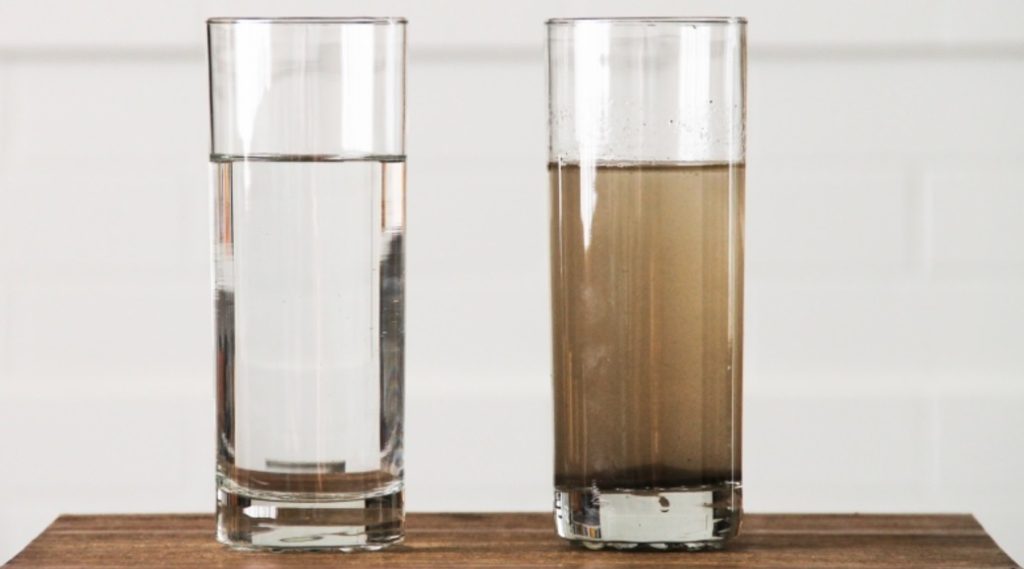
Crown Heights is one of Brooklyn’s most vibrant and architecturally significant neighborhoods, but it sits atop some of the most complex hydraulic infrastructure in the borough. Residents of this district—particularly those in the historic brownstone blocks near Eastern Parkway—often report intense, persistent “Tea-Colored” water following even minor city (monitored by NYC Department of Environmental Protection) […]
The biggest renovation surprises inside Park Slope townhouses

Park Slope is the crown jewel of Brooklyn’s brownstone belt, but beneath its “Picture Perfect” facade lies a world of technical chaos. Because these homes were built during a period of rapid engineering transition (the late 1880s), they often contain “Prototypes” of building systems that were abandoned shortly after. When a homeowner begins a major […]
How to tell if your brownstone’s plumbing is original or partially replaced

For many Brooklyn homeowners, the plumbing system is a “Black Box” hidden behind layers of lath, plaster, and historic brick. When you buy a brownstone, the listing may claim “Updated Plumbing,” but in the world of historic real estate, “updated” can mean anything from a total modern repiping to a single new faucet in the […]