
What homeowners should know before replacing old service lines
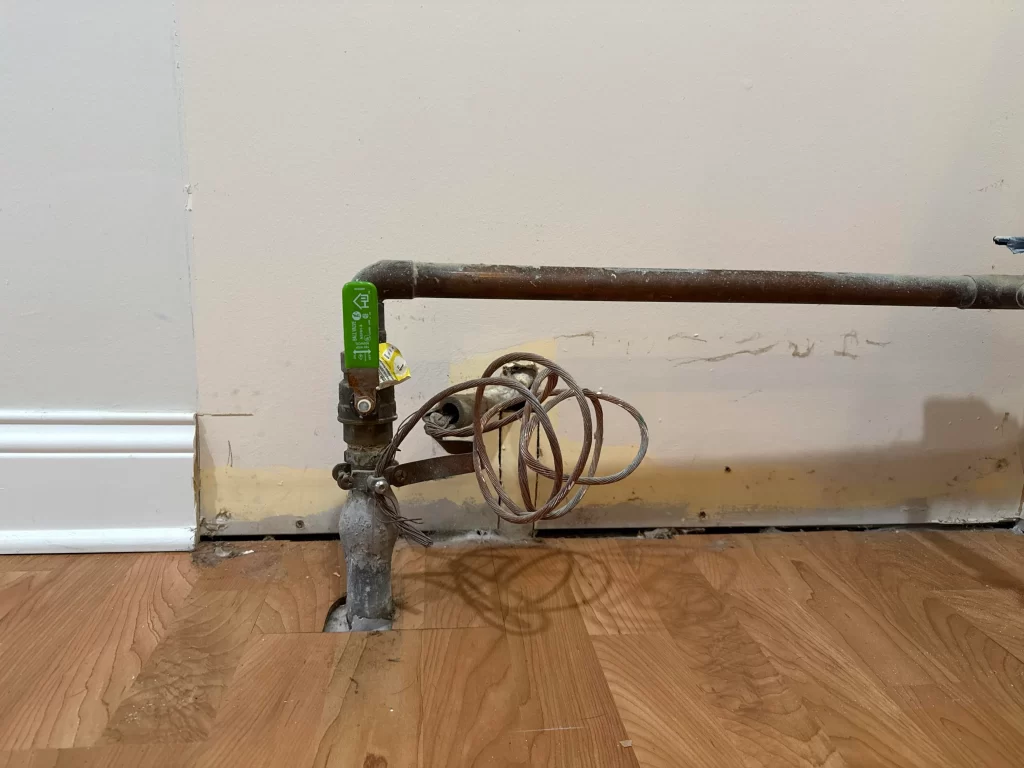
The “Main Service Line” is the lifeblood of your home—the single pipe that connects your basement to the city (monitored by NYC Department of Environmental Protection) ‘s municipal water main under the asphalt of the street. For most Brooklyn brownstones, this pipe is either original 1880s lead (referenced in EPA Lead Safety Standards) or 1920s […]
Why hot water takes longer in prewar Brooklyn properties

There is a specific “Morning Ritual” for many Brooklyn prewar residents: turn on the shower, go make a cup of coffee, and wait. In a four-story brownstone or a large prewar apartment building, “Hot Water Delay” is not just an annoyance; it is a byproduct of 19th-century “Hydraulic Geography.” Depending on the layout of your […]
How old lead bends still influence water clarity in vintage homes

In the world of Brooklyn brownstones, the “lead (referenced in EPA Lead Safety Standards) Bend” is the ultimate “Stealth Component.” It is a large, S-shaped or curved pipe made of soft lead that connects your toilet directly to the main cast-iron waste stack. While most homeowners believe their “Modernized” house is lead-free because they see […]
The reality of opening walls in a brownstone during renovations

There is a specific feeling of “Existential Dread” that every Brooklyn brownstone owner feels when a contractor first puts a hammer through the original horsehair plaster during a renovation. “Opening the Walls” is the moment where the architectural fantasy meets the technical reality of 19th-century engineering. In a historic townhouse, the wall cavity is not […]
Why sudden water discoloration happens after hydrant activity
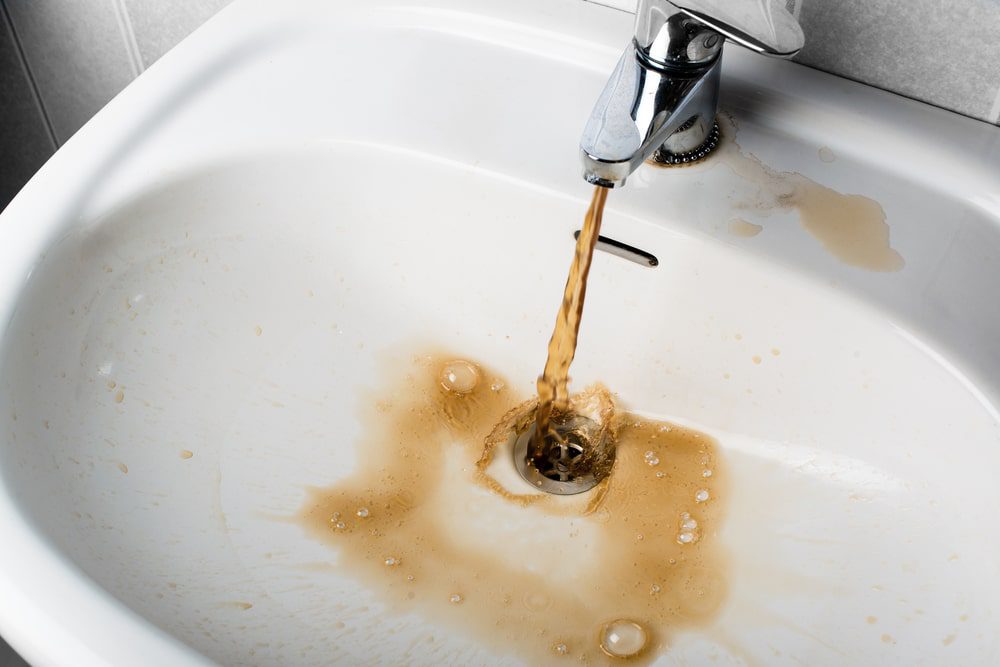
In a historic neighborhood like Park Slope or Carroll Gardens, the sight of a fire hydrant being opened—either for a “Flush” by the FDNY or for construction use—is a technical warning to every homeowner on the block. Minutes after the hydrant is opened, the taps inside your home will likely run a deep, alarming “Coffee-Brown.” […]
How local construction disrupts water conditions in older Brooklyn homes

Brooklyn is a borough in a constant state of transformation. From the “Gut Renovations” of single brownstones to the massive “Mixed-Use Developments” filling in local lots, construction is a fact of urban life. However, for a homeowner in a century-old masonry building, nearby construction is more than just a noise nuisance; it is a “Technical […]
What to know about shared plumbing walls in adjoining townhouses
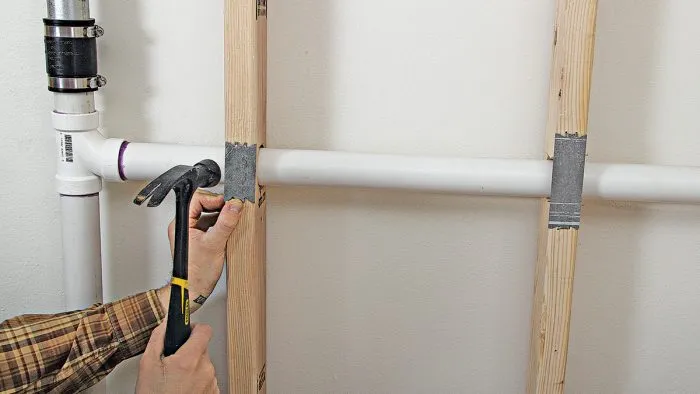
The “Shared Wall”—or Party Wall—is the fundamental structural element of the Brooklyn brownstone landscape. However, for a homeowner, it is also a “Technical Gray Zone” that can complicate renovations, repairs, and daily property management. In historic districts like Park Slope, Cobble Hill, and Brooklyn Heights, adjoining townhouses often share more than just bricks; they often […]
Why Brooklyn Heights brownstones often show uneven water temperature

Living in a Brooklyn Heights brownstone is like inhabiting a living laboratory of architectural history. However, one of the most common technical frustrations for residents of this landmarked district is “Uneven Water Temperature.” You might find that your shower fluctuates between scalding hot and freezing cold when a neighbor flushes, or that it takes minutes […]
How upper-floor pressure drops can reveal deeper pipe issues
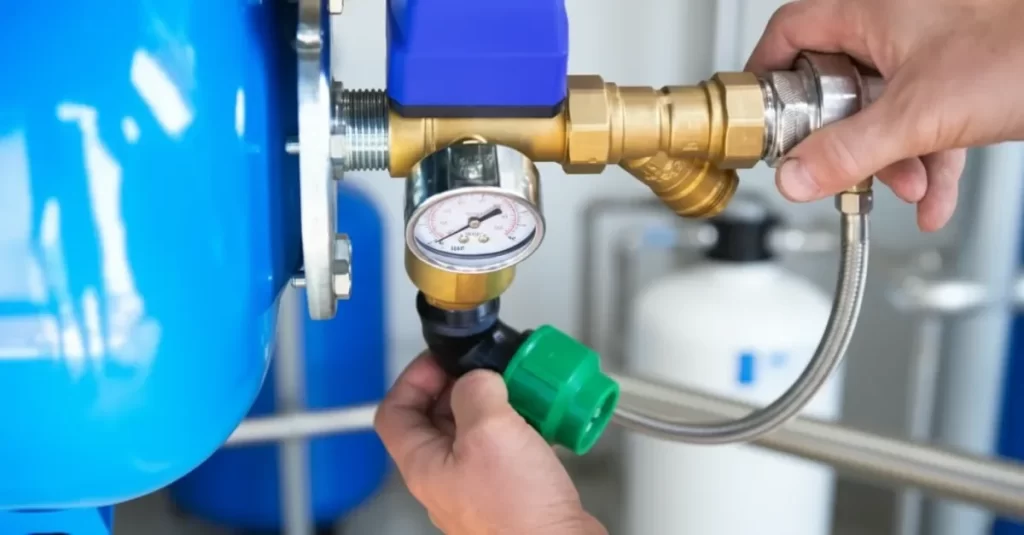
If you live on the third or fourth floor of a Brooklyn townhouse, you are the “Canary in the Coal Mine” for the building’s infrastructure. While the garden-level residents might have perfect pressure, the upper floors are the first to suffer when the building’s “Skeleton” is in distress. A “Pressure Drop” in your top-floor shower […]
When plumbing problems hint at foundation or structural issues

In a Brooklyn brownstone, the plumbing system and the structural frame are “Symbiotically Linked.” Because the pipes are rigid (cast iron or steel) and the building is massive (masonry and timber), any movement in the “Skeleton” of the house will immediately manifest as a “Plumbing Symptom.” If you have recurring leaks in a specific wall, […]