
What Cobble Hill homeowners should check before gut renovations

Cobble Hill is a neighborhood of meticulous preservation and high-end aesthetic standards. When a homeowner begins a gut renovation in this historic district, the focus is often on the Farrow & Ball paint colors or the custom cabinetry. However, the most expensive mistakes in a Cobble Hill project happen below the floorboards and behind the […]
Why your brownstone might have low water pressure despite updated fixtures

There is nothing more frustrating than spending $20,000 on a luxury bathroom renovation, only to find that your $3,000 waterfall showerhead delivers a pathetic, low-pressure drizzle. In a Brooklyn brownstone, “Low Water Pressure” is rarely about the fixture itself. Instead, it is a symptom of a deeper “Systemic Resistance” within the building’s original skeleton. Even […]
How Fort Greene renovations expose long-forgotten pipe networks
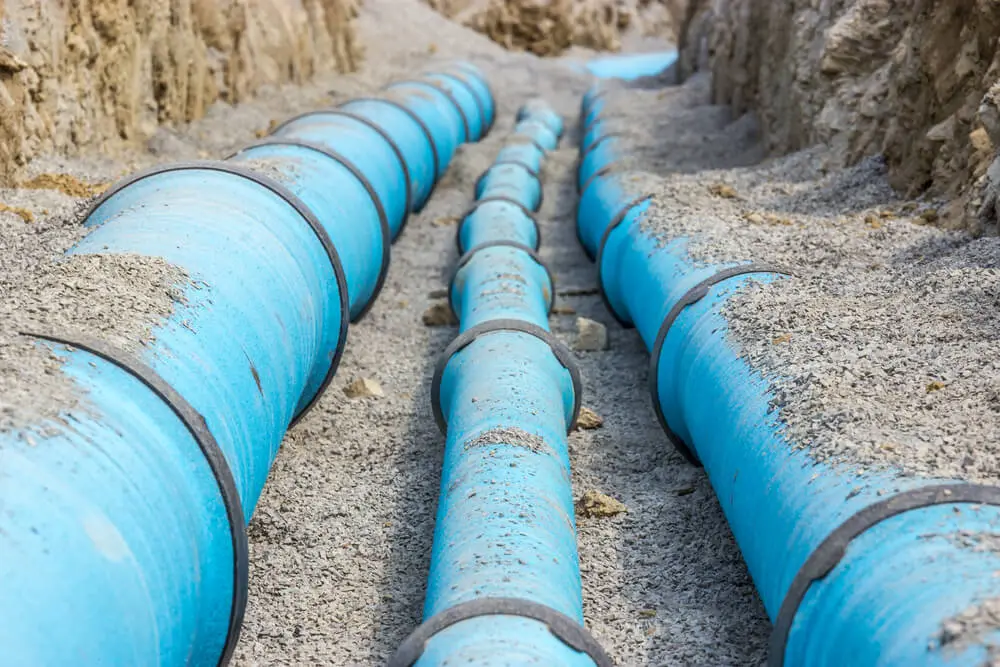
Fort Greene is a neighborhood of unparalleled architectural density and layers of history. Because it was one of the first areas to see widespread “Gentrifcation” in the 1970s and 80s, these homes often contain “Inter-Generational Plumbing.” When a modern renovation begins in Fort Greene today, contractors frequently uncover abandoned pipe networks that were “lost” during […]
Why Bed-Stuy brownstones often have mixed-era plumbing materials
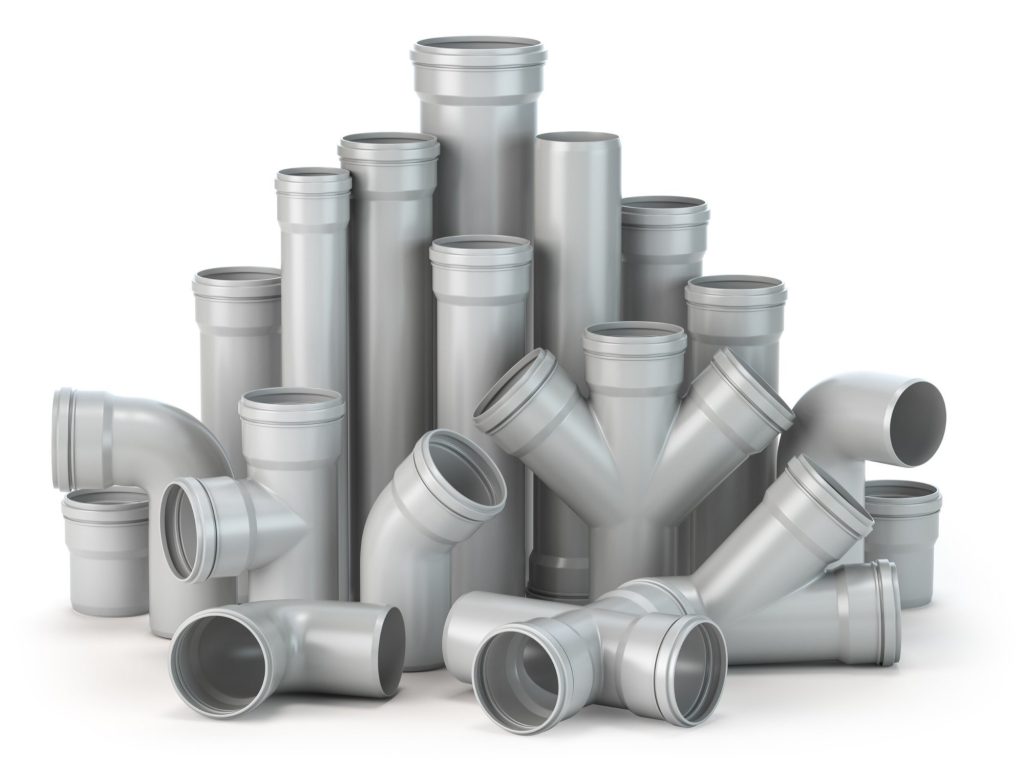
Bedford-Stuyvesant (Bed-Stuy) is home to the largest collection of Victorian-era architecture in the United States. However, the borough’s complex economic and social history has left a unique technical legacy inside its walls. Unlike the “uniform” renovations seen in more affluent districts in the 1990s, Bed-Stuy homes often underwent “Incremental Maintenance”—a process where repairs were made […]
Understanding the plumbing skeleton inside a prewar Brooklyn brownstone
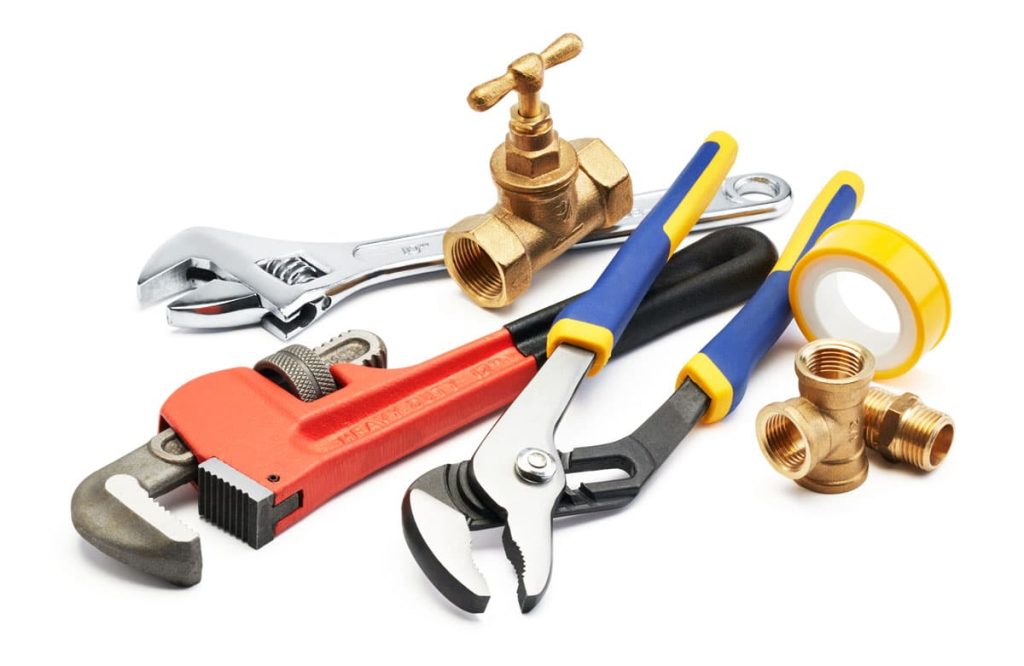
To the average observer, a Brooklyn brownstone is a massive, immovable piece of masonry. But to a technical specialist, it is a living organism with a “skeleton” of cast iron and copper that is constantly under tension. In prewar architecture (pre-1945), the “plumbing skeleton” was designed with a specific philosophy: durability over ease of repair. […]
How age differences between Brooklyn Heights blocks affect home maintenance
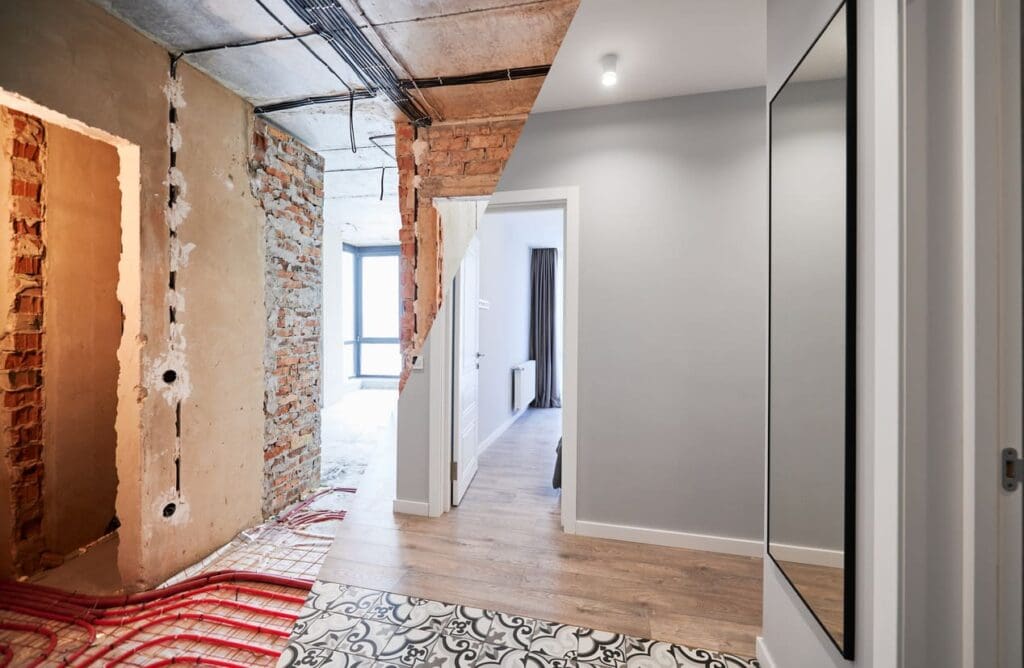
Brooklyn Heights is often treated as a monolith of historic perfection, but for the discerning homeowner, it is actually a patchwork of distinct eras. A “Federal Style” home on Willow Street behaves fundamentally differently from a “Neo-Grec” townhouse on Garden Place. These age differences aren’t just aesthetic; they dictate the depth of your foundations, the […]
Why so many Carroll Gardens brownstones reveal outdated pipes during renovations

Carroll Gardens is a neighborhood defined by its deep front yards and its long-standing Italian-American heritage. For many residents, these homes have been held within the same family for sixty or seventy years. However, this stability often creates a “Maintenance Time Capsule” effect. When a new buyer enters the market and begins a modern renovation, […]
What Park Slope brownstone owners should expect from their plumbing systems
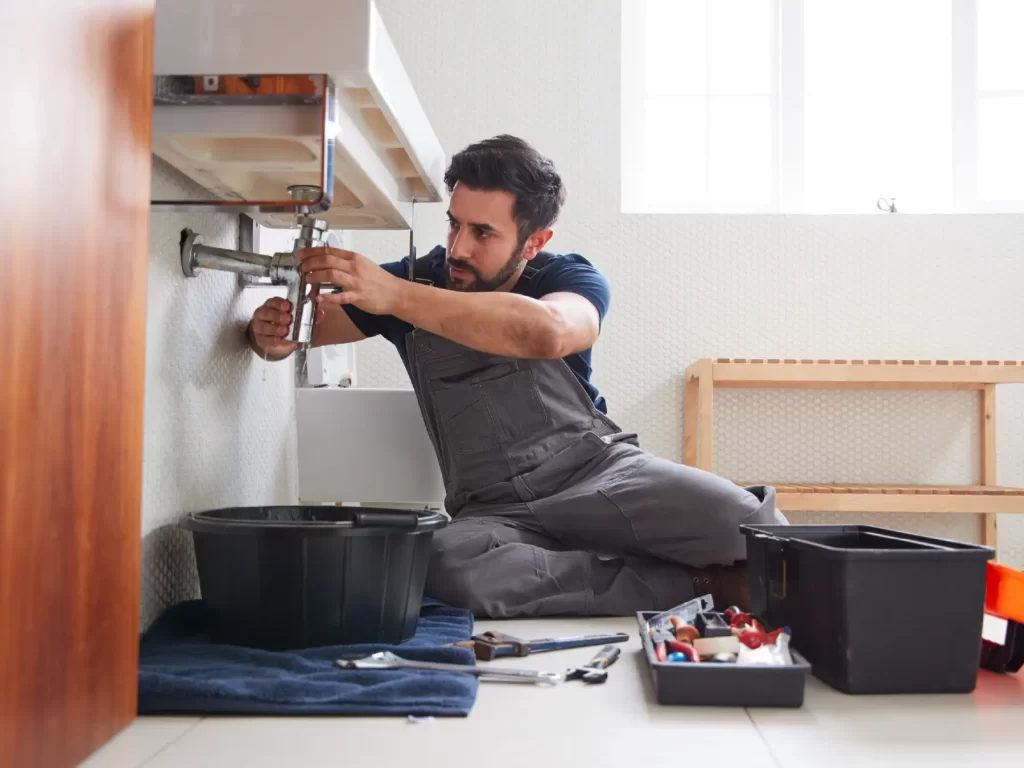
Owning a piece of Brooklyn’s history in Park Slope is a dream for many, but the reality of 19th-century architecture often comes with a steep learning curve in subterranean engineering. When you buy a brownstone in this landmarked district, you aren’t just buying a home; you’re inheriting a vertical utility grid that has likely been […]