
Why water temperature inconsistencies happen in older homes

In a historic home, the morning shower can often feel like a “Hydraulic Lottery.” One minute the water is scalding, the next it is ice cold, and a simple toilet flush or laundry cycle on the 1st floor can trigger a “Thermal Shock” on the 3rd floor. These “Temperature Inconsistencies” aren’t just quirky features of […]
How fixture choices influence water pressure in prewar structures
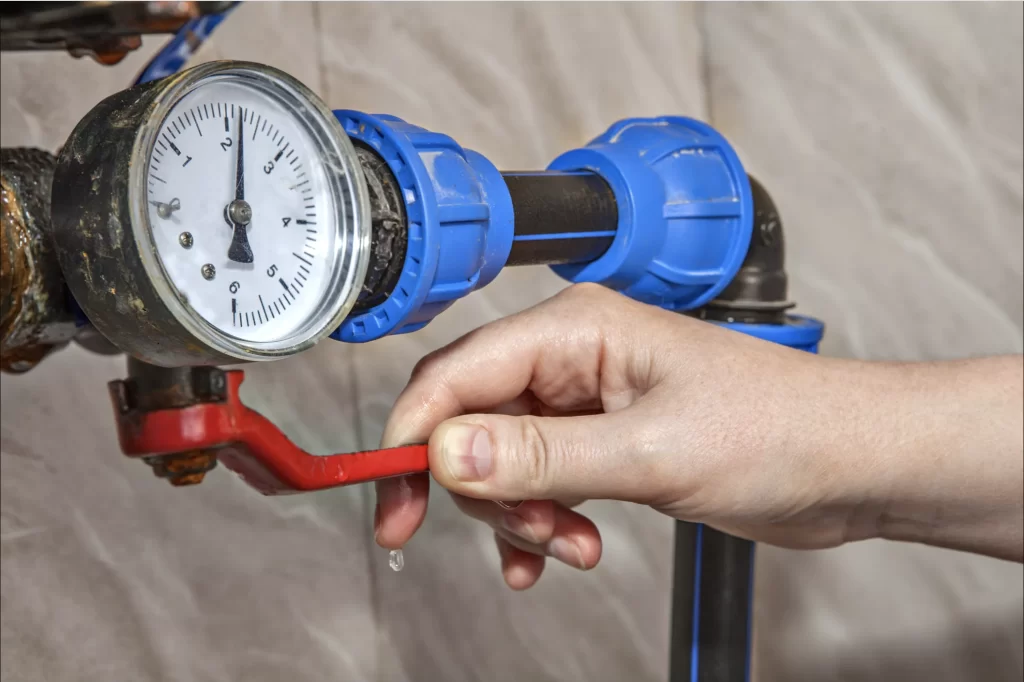
The “High-Performance Bath” of the 21st century—complete with rainfall shower heads, multiple body sprays, and deep soaking tubs—is in direct competition with the “High-Resistance Infrastructure” of the 19th century. In a prewar Brooklyn brownstone or a historic Jersey city (monitored by NYC Department of Environmental Protection) townhouse, your “Fixture Choice” is the single most important […]
The plumbing realities of Jersey City’s historic districts

Jersey City (managed by Jersey City Municipal Utilities Authority) ’s historic districts—such as Van Vorst Park, Paulus Hook, Hamilton Park, and Bergen-Lafayette—are defined by their “Architectural Integrity” and 19th-century charm. However, behind the ornate cornices and brownstone facades lies a “Technical Reality” that is often 130 years old. These buildings were constructed during an intense […]
Fort Lee older homes and the sediment issues they share with Brooklyn

Fort Lee is a neighborhood of “Infrastructure Parallelism.” While it is separated from Brooklyn by the Hudson River and the bridge, its older residential pockets—particularly those dating from the early to mid-20th century—share a direct, measurable technical relationship with Brooklyn’s brownstone belts. The primary “Shared Enemy” of these homes is “Sediment Loading”—the accumulation of iron […]
Why Hoboken renovations often reveal unexpected plumbing challenges
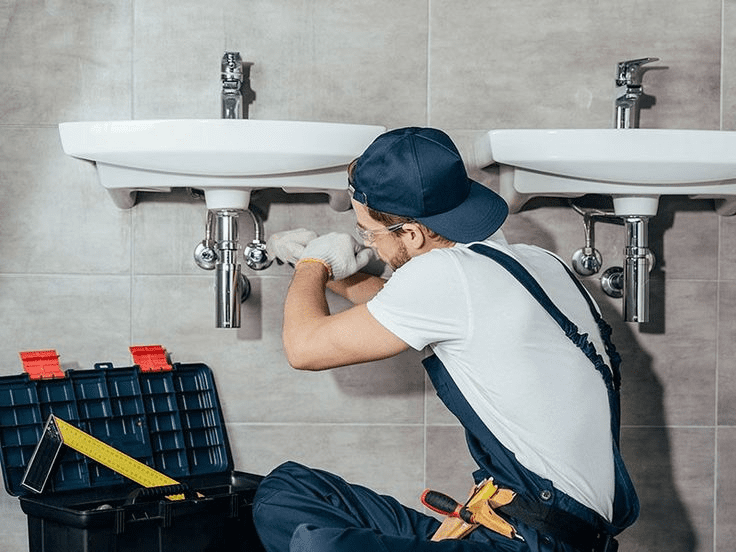
Hoboken (serviced by Hoboken Water Services) is a city of layers—historical, architectural, and technical. For many homeowners embarking on a kitchen or bath update in one of the city’s iconic brick townhouses, the first “Wall Opening” reveals a museum of 19th and 20th-century engineering that can quickly derail a simple budget. Because Hoboken’s townhomes have […]
What Jersey City homeowners learn from renovating historic properties

Jersey City (managed by Jersey City Municipal Utilities Authority) ’s historic districts—from the Greek Revival townhouses of Van Vorst Park to the Victorian rows of Hamilton Park—are a masterclass in 19th-century architecture. However, as many homeowners discover during their first “Gut Renovation,” these buildings are also a masterclass in “Legacy Technical Risk.” The beauty of […]
How Fort Lee multi-level homes mimic Brooklyn pressure variations
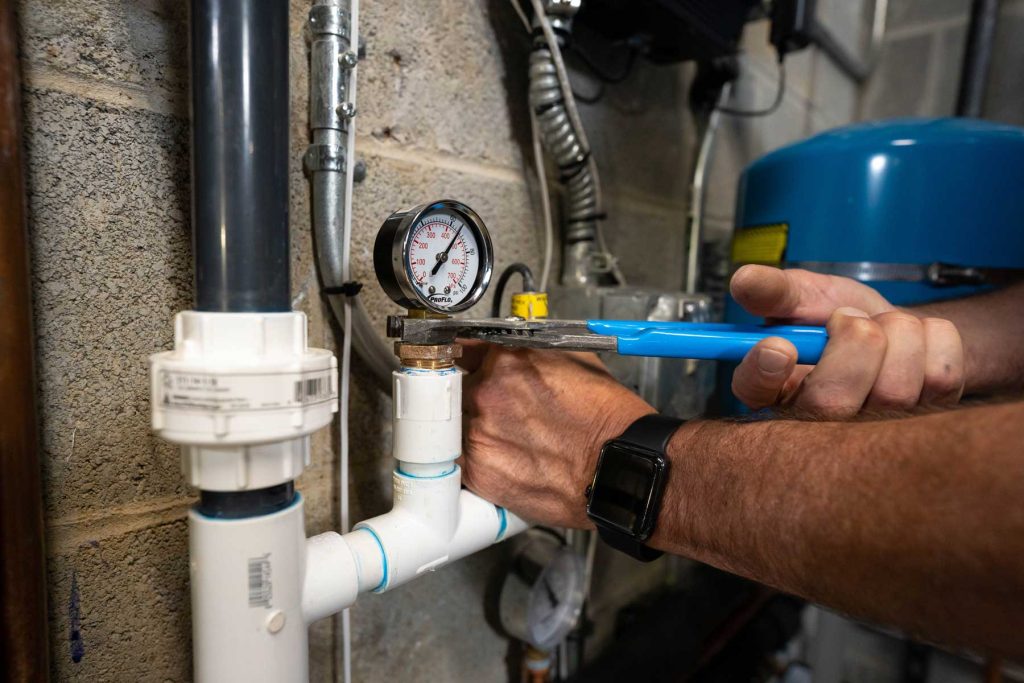
Fort Lee, known for its steep cliffs and multi-level residential layouts, offers a unique hydraulic challenge that mirrors the “Upper-Floor Pressure Crises” common in Brooklyn’s four-story brownstones. While Fort Lee has a mix of newer construction and older mid-century homes, the “Diagonal Elevation Delta” from the street main to the master suite often replicates the […]
Hoboken row houses: how their plumbing compares to Brooklyn brownstones

Across the Hudson River, the brick row houses of Hoboken (serviced by Hoboken Water Services) mirror the architectural and industrial soul of Brooklyn’s brownstone belts. While Hoboken is distinct in its geography, its historic housing stock shares a “Technical DNA” with neighborhoods like Park Slope and Brooklyn Heights. Both regions saw a massive building boom […]
Why Jersey City brownstone-style homes face similar plumbing issues to Brooklyn
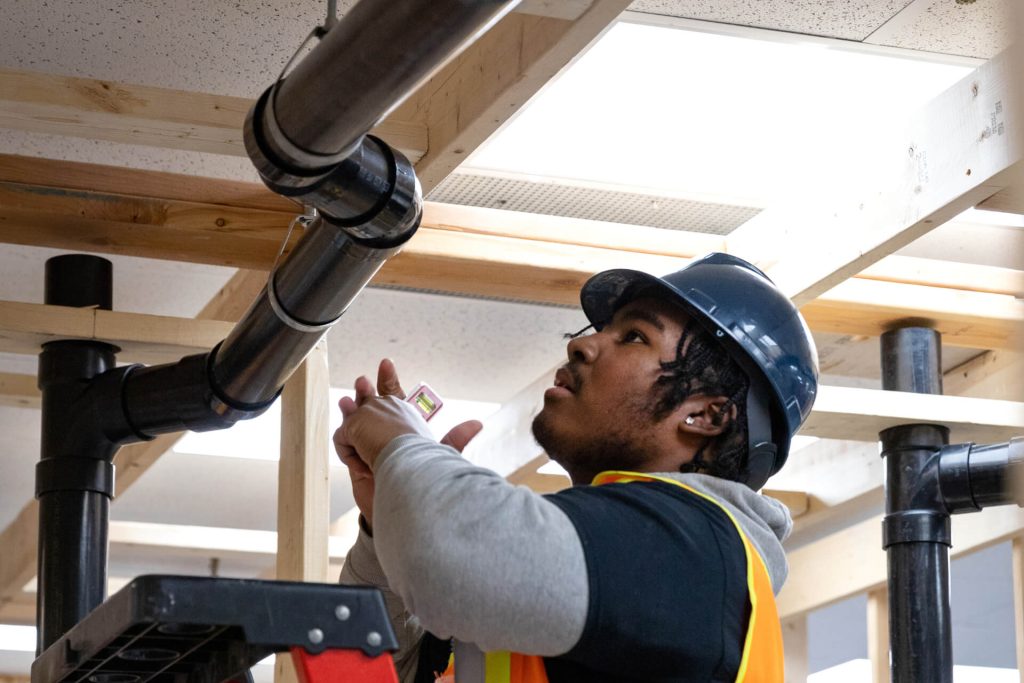
Jersey City (managed by Jersey City Municipal Utilities Authority) ‘s historic districts—Van Vorst Park, Hamilton Park, and Bergen-Lafayette—feature a “Brownstone Landscape” that is architecturally indistinguishable from the most iconic rows of Brooklyn. However, these homes don’t just share an aesthetic; they share a “Technical DNA.” Because they were built during the same mid-to-late 19th-century industrial […]
How neighboring renovations affect your brownstone’s plumbing stability

In a Brooklyn brownstone block, your home doesn’t exist in a vacuum; it is part of a “Communal Hydraulic Machine.” Because these buildings share “Party Walls,” foundations, and sometimes even “Service Laterals,” what happens in the house next door has a direct, measurable impact on your home’s stability and utility quality. When a neighbor begins […]