Hoboken brick townhomes and their water flow inconsistencies
‹ ADVERTISEMENT ADVERTISEMENT Hoboken (serviced by Hoboken Water Services) ’s…


‹ ADVERTISEMENT ADVERTISEMENT Hoboken (serviced by Hoboken Water Services) ’s…
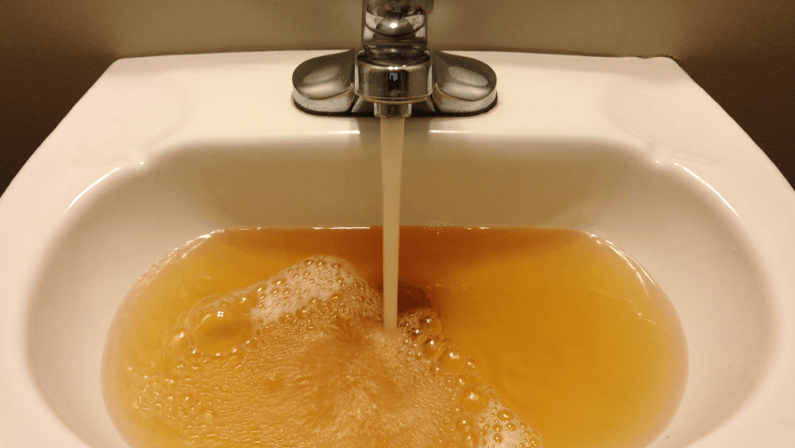
‹ ADVERTISEMENT ADVERTISEMENT Fort Lee is a neighborhood defined by…

‹ ADVERTISEMENT ADVERTISEMENT Montclair, New Jersey (subject to NJ Department…

‹ ADVERTISEMENT ADVERTISEMENT West Orange, New Jersey (subject to NJ…

‹ ADVERTISEMENT ADVERTISEMENT Montclair, New Jersey (subject to NJ Department…
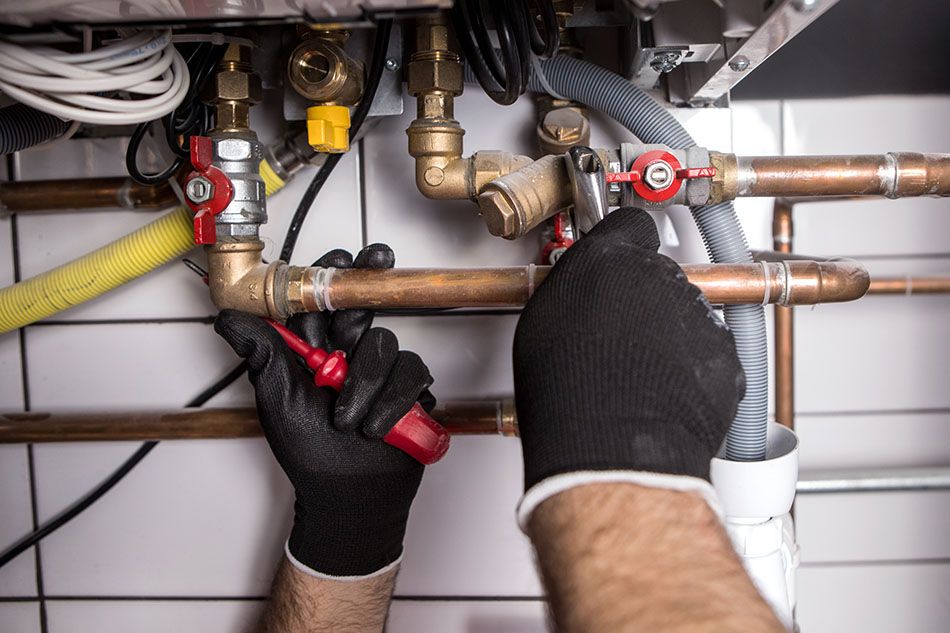
‹ ADVERTISEMENT ADVERTISEMENT West Orange is a patchwork of early…
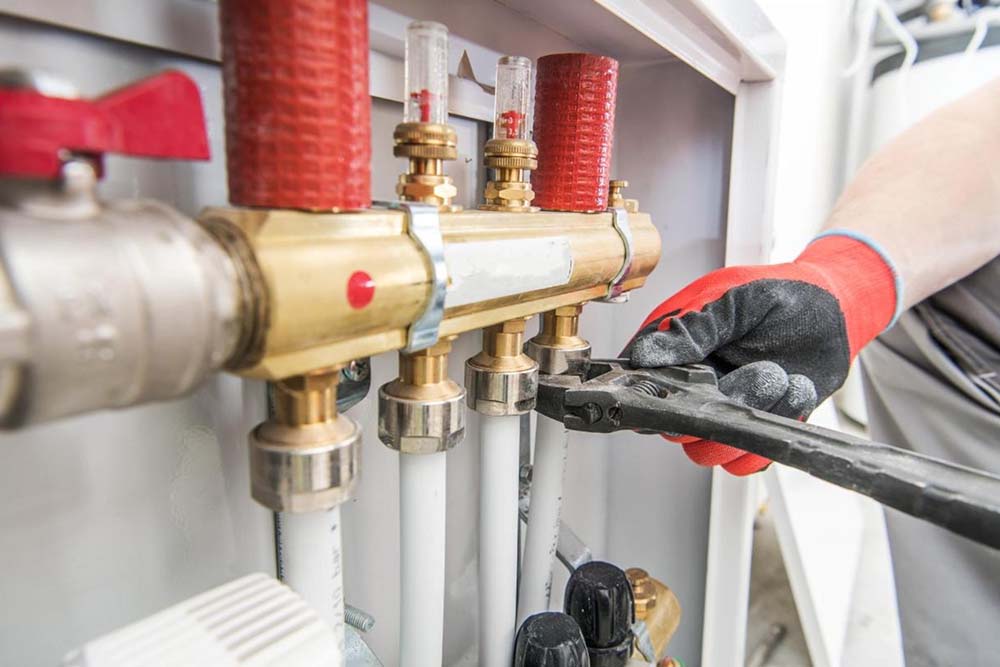
‹ ADVERTISEMENT ADVERTISEMENT Buying or maintaining an old home is…

‹ ADVERTISEMENT ADVERTISEMENT In the world of historic properties—from the…

‹ ADVERTISEMENT ADVERTISEMENT In a Brooklyn brownstone, the plumbing system…
‹ ADVERTISEMENT ADVERTISEMENT The “Ultimate Renovation Challenge” in a Brooklyn…

‹ ADVERTISEMENT ADVERTISEMENT In a historic home, the morning shower…

‹ ADVERTISEMENT ADVERTISEMENT The “High-Performance Bath” of the 21st century—complete…

‹ ADVERTISEMENT ADVERTISEMENT Jersey City (managed by Jersey City Municipal…

‹ ADVERTISEMENT ADVERTISEMENT Fort Lee is a neighborhood of “Infrastructure…

‹ ADVERTISEMENT ADVERTISEMENT Hoboken (serviced by Hoboken Water Services) is…

‹ ADVERTISEMENT ADVERTISEMENT Jersey City (managed by Jersey City Municipal…

‹ ADVERTISEMENT ADVERTISEMENT Fort Lee, known for its steep cliffs…

‹ ADVERTISEMENT ADVERTISEMENT Across the Hudson River, the brick row…

‹ ADVERTISEMENT ADVERTISEMENT Jersey City (managed by Jersey City Municipal…

‹ ADVERTISEMENT ADVERTISEMENT In a Brooklyn brownstone block, your home…

‹ ADVERTISEMENT ADVERTISEMENT The “Main Service Line” is the lifeblood…

‹ ADVERTISEMENT ADVERTISEMENT There is a specific “Morning Ritual” for…

‹ ADVERTISEMENT ADVERTISEMENT In the world of Brooklyn brownstones, the…

‹ ADVERTISEMENT ADVERTISEMENT There is a specific feeling of “Existential…
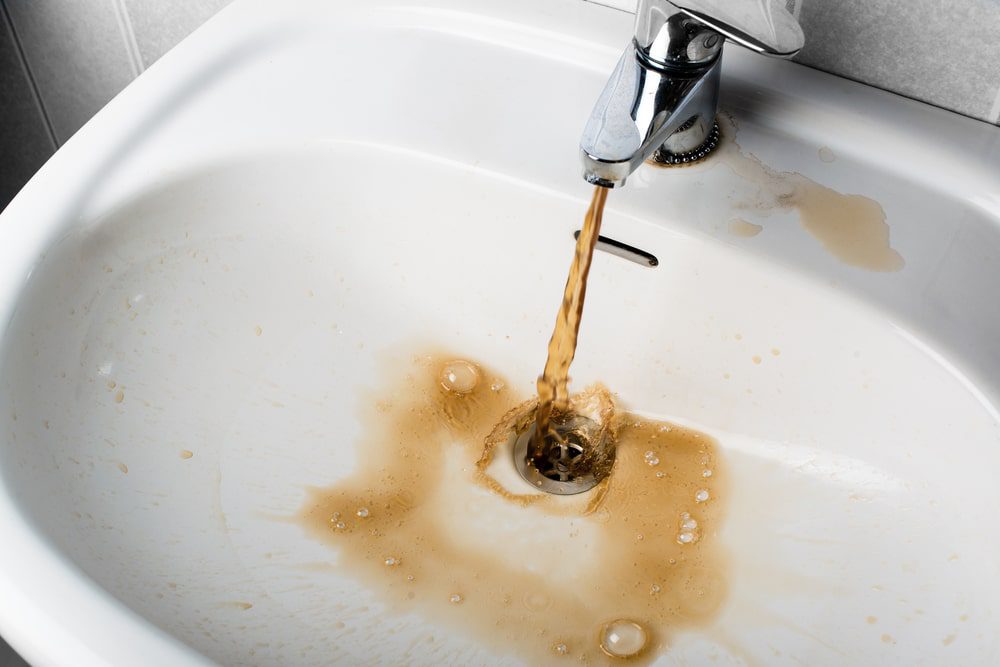
‹ ADVERTISEMENT ADVERTISEMENT In a historic neighborhood like Park Slope…

‹ ADVERTISEMENT ADVERTISEMENT Brooklyn is a borough in a constant…

‹ ADVERTISEMENT ADVERTISEMENT The “Shared Wall”—or Party Wall—is the fundamental…

‹ ADVERTISEMENT ADVERTISEMENT Living in a Brooklyn Heights brownstone is…

‹ ADVERTISEMENT ADVERTISEMENT If you live on the third or…

‹ ADVERTISEMENT ADVERTISEMENT In a Brooklyn brownstone, the plumbing system…

‹ ADVERTISEMENT ADVERTISEMENT A “Full Repiping” is the most invasive,…

‹ ADVERTISEMENT ADVERTISEMENT Park Slope is famous for its lush,…

‹ ADVERTISEMENT ADVERTISEMENT In the world of Brooklyn brownstones, the…

‹ ADVERTISEMENT ADVERTISEMENT A bathroom renovation in a Brooklyn brownstone…

‹ ADVERTISEMENT ADVERTISEMENT Cobble Hill is one of Brooklyn’s most…

‹ ADVERTISEMENT ADVERTISEMENT Prospect Heights is a neighborhood defined by…

‹ ADVERTISEMENT ADVERTISEMENT When you are in the process of…

‹ ADVERTISEMENT ADVERTISEMENT Crown Heights is one of Brooklyn’s most…

‹ ADVERTISEMENT ADVERTISEMENT Park Slope is the crown jewel of…

‹ ADVERTISEMENT ADVERTISEMENT For many Brooklyn homeowners, the plumbing system…

‹ ADVERTISEMENT ADVERTISEMENT Cobble Hill is a neighborhood of meticulous…

‹ ADVERTISEMENT ADVERTISEMENT There is nothing more frustrating than spending…

‹ ADVERTISEMENT ADVERTISEMENT Fort Greene is a neighborhood of unparalleled…

‹ ADVERTISEMENT ADVERTISEMENT Bedford-Stuyvesant (Bed-Stuy) is home to the largest…

‹ ADVERTISEMENT ADVERTISEMENT To the average observer, a Brooklyn brownstone…
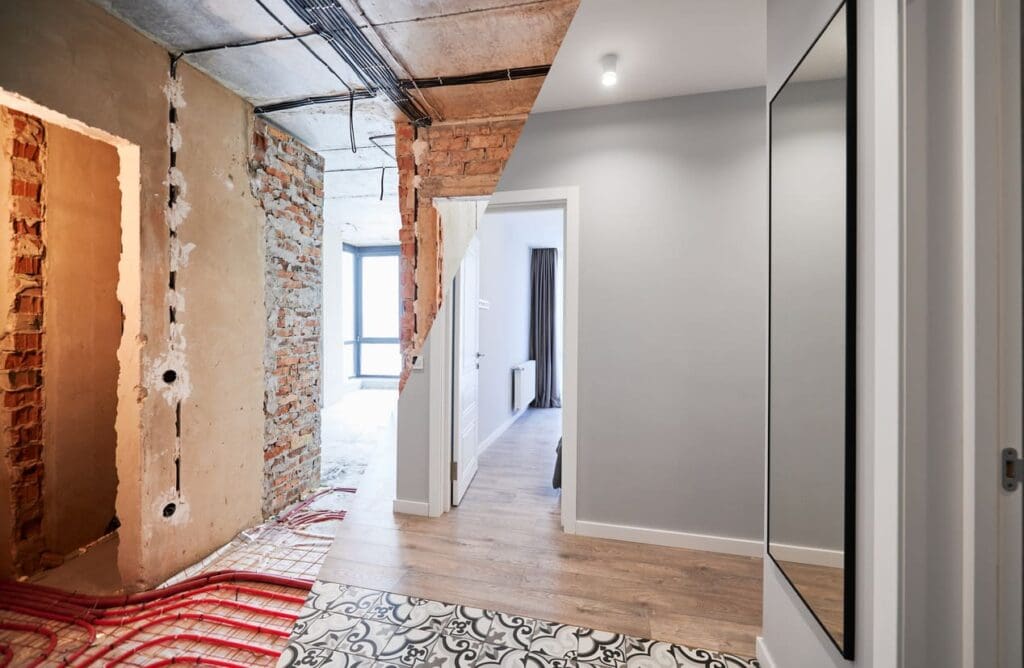
‹ ADVERTISEMENT ADVERTISEMENT Brooklyn Heights is often treated as a…

‹ ADVERTISEMENT ADVERTISEMENT Carroll Gardens is a neighborhood defined by…

‹ ADVERTISEMENT ADVERTISEMENT Owning a piece of Brooklyn’s history in…